
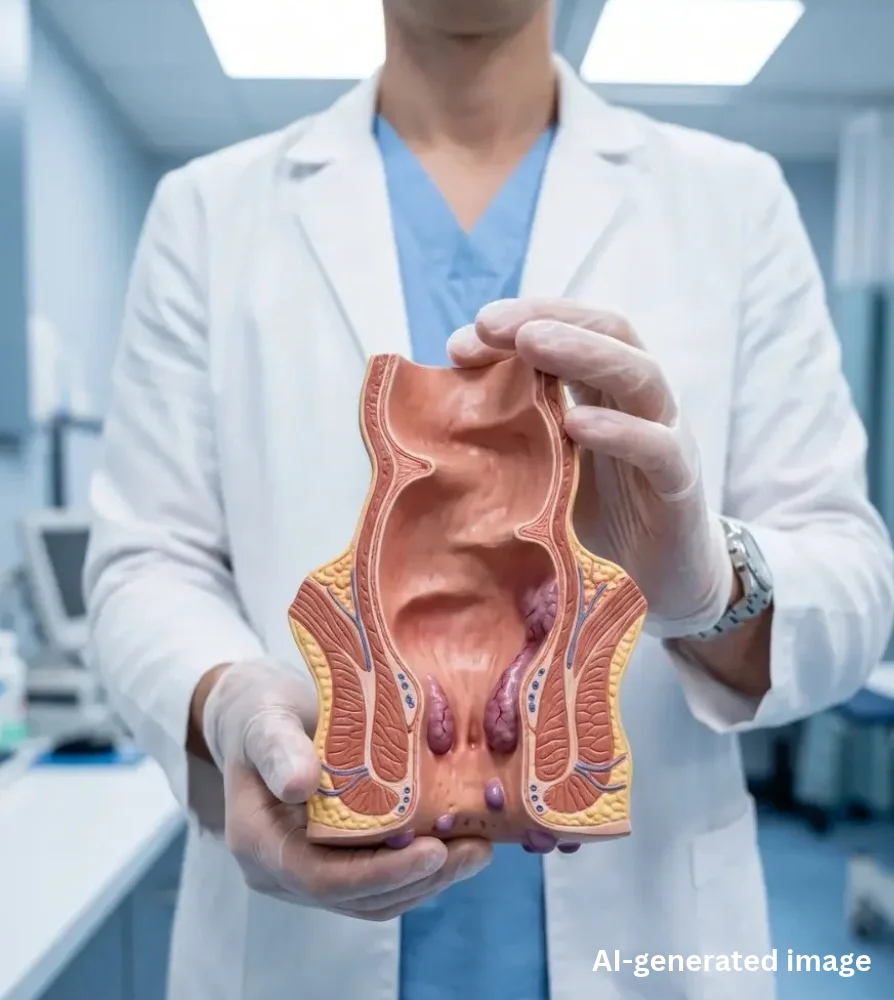
Piles, also called hemorrhoids, are swollen blood vessels in and around the anus or lower rectum. They can cause bleeding, itching, pain, swelling, or discomfort while passing stools. Although piles are common, ignoring the symptoms can allow the condition to become more severe.
At Shree Hospital and ICU, Dr. Arpit Panchal provides personalized piles treatment in Vadodara based on the patient’s symptoms, grade of piles, overall health, and treatment needs.
The aim is to identify the cause of the problem and recommend the simplest suitable treatment rather than suggesting surgery in every case.
Piles develop when the veins and supporting tissues around the rectum and anus become swollen or enlarged.
Internal Piles: Located inside the rectum. They are usually painless but may cause bleeding during bowel movements.
External Piles: Located under the skin around the anus. They may cause pain, itching, swelling, or a noticeable lump.
If you experience repeated or heavy rectal bleeding, it is important to get a professional evaluation. Rectal bleeding is not always caused by piles and may need further assessment.
Piles can develop when there is increased pressure on the veins around the anus and lower rectum. Common contributing factors include:

Common signs and symptoms include:
Rectal bleeding is not always caused by piles. If bleeding is persistent or heavy, a medical evaluation is important to identify the cause.
The right piles treatment in Vadodara depends on your symptoms, the grade of piles, and your overall health. Dr. Arpit Panchal begins with a careful evaluation to understand the condition before recommending treatment.
Depending on the severity, treatment may include lifestyle changes, medicines, non-surgical procedures, or surgery. The goal is to choose the most suitable option for your condition and avoid surgery when it is not necessary.
Need Urgent Medical Care?
If you have heavy or persistent rectal bleeding, severe pain, sudden swelling, or other concerning symptoms, seek medical attention promptly.
Call Shree Hospital and ICU:
Dr. Arpit Panchal provides personalized piles care and explains the recommended treatment, expected recovery, and follow-up requirements clearly.
There is no single treatment that works for every patient. The appropriate piles treatment in Vadodara depends on the severity of symptoms and the grade of hemorrhoids.
Dr. Arpit Panchal evaluates the condition and explains the available treatment options before recommending the next step. Depending on the case, treatment may include lifestyle changes, medicines, minimally invasive procedures, or surgery.
Not every case of piles requires surgery. In many cases, non-surgical treatment may be sufficient. Options include:
A consultation helps determine whether conservative care is enough or whether further treatment is needed.
Surgery may be recommended when piles are severe or do not improve with other treatments. Common situations include:
Haemorrhoidectomy may be advised for suitable advanced cases. Dr. Arpit Panchal explains the procedure and recovery beforehand.
Shree Hospital and ICU offers evaluation at a piles hospital in Vadodara. For hemorrhoid treatment in Vadodara, treatment should match your condition.
Choosing the right piles hospital in Vadodara can make the diagnosis and treatment process more comfortable and organized.
At Shree Hospital and ICU, patients receive:
Dr. Arpit Panchal focuses on explaining the condition in simple language so patients can understand why a particular treatment is being recommended.
At Shree Hospital and ICU, every treatment plan is based on your condition, symptoms, and individual needs.
No. Surgery is not necessary for every patient. Early or less severe piles may improve with dietary changes, better bowel habits, medicines, or suitable minimally invasive treatment.
The appropriate piles treatment in Vadodara depends on the grade, symptoms, prolapse, bleeding, previous treatment, and overall health. A proper clinical evaluation is necessary before deciding on treatment.
Piles can recur, particularly when constipation, straining, low-fiber intake, or unhealthy bowel habits continue. Maintaining good bowel habits and following medical advice can help reduce the risk.
You should consider consultation if you have repeated rectal bleeding, persistent pain, a lump, itching, or tissue coming out during bowel movements. Early evaluation can help identify the cause and appropriate treatment.
Shree Hospital and ICU provides piles treatment in Vadodara with evaluation and treatment planning by Dr. Arpit Panchal. Patients can discuss their symptoms and understand the available options before deciding on treatment.
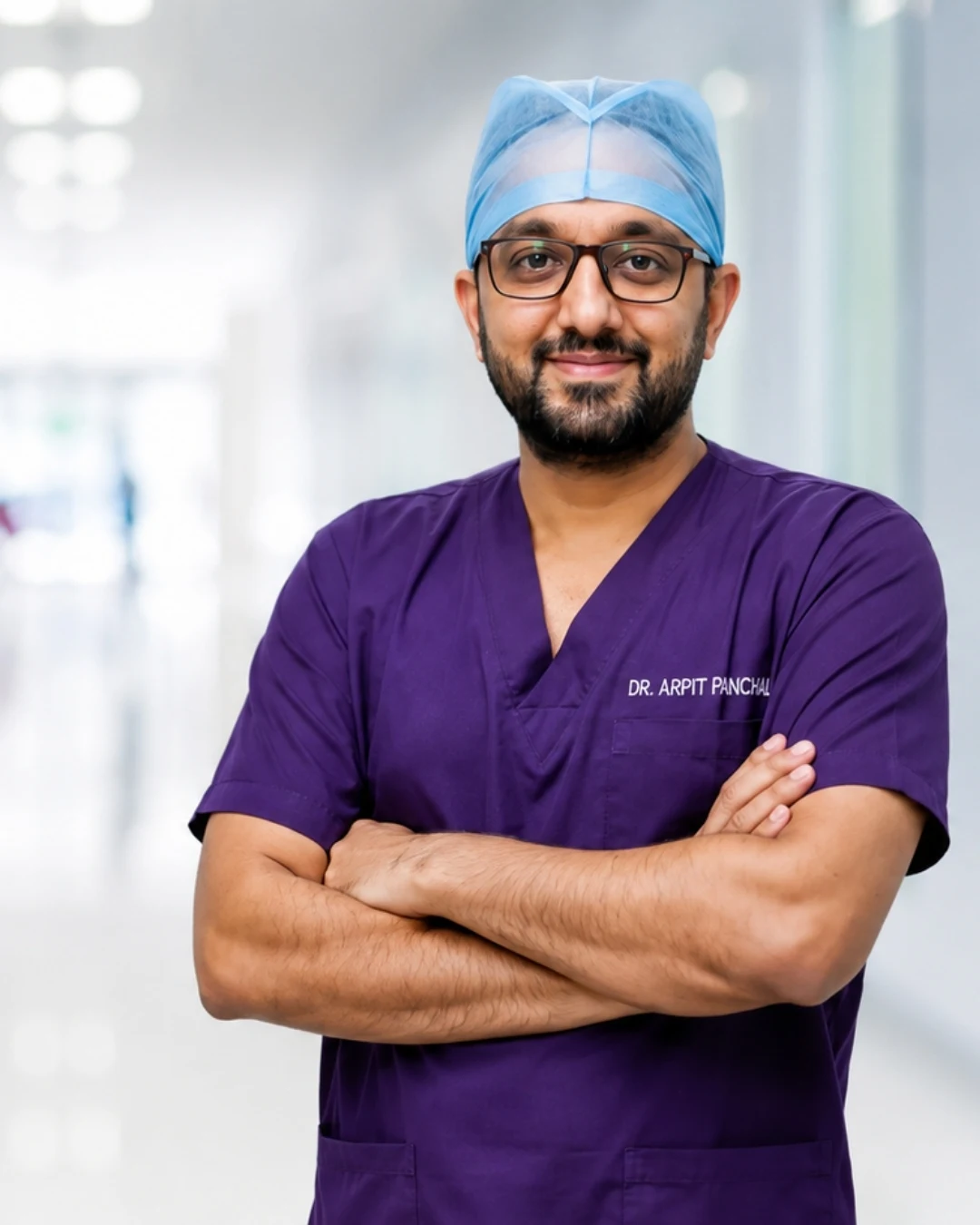
If piles are affecting your comfort, daily routine, or bowel movements, timely medical advice can help. Shree Hospital and ICU provides personalized care based on the severity and grade of your condition.
For patients searching for a piles hospital in Vadodara, Dr. Arpit Panchal offers evaluation and appropriate treatment options, including surgical care when required.
Book a consultation at Shree Hospital and ICU to discuss your symptoms and find the right treatment approach for your condition.

Quick Links
Shree Hospital & ICU © 2026 All Rights Reserved. Design by Vivid Digisolution